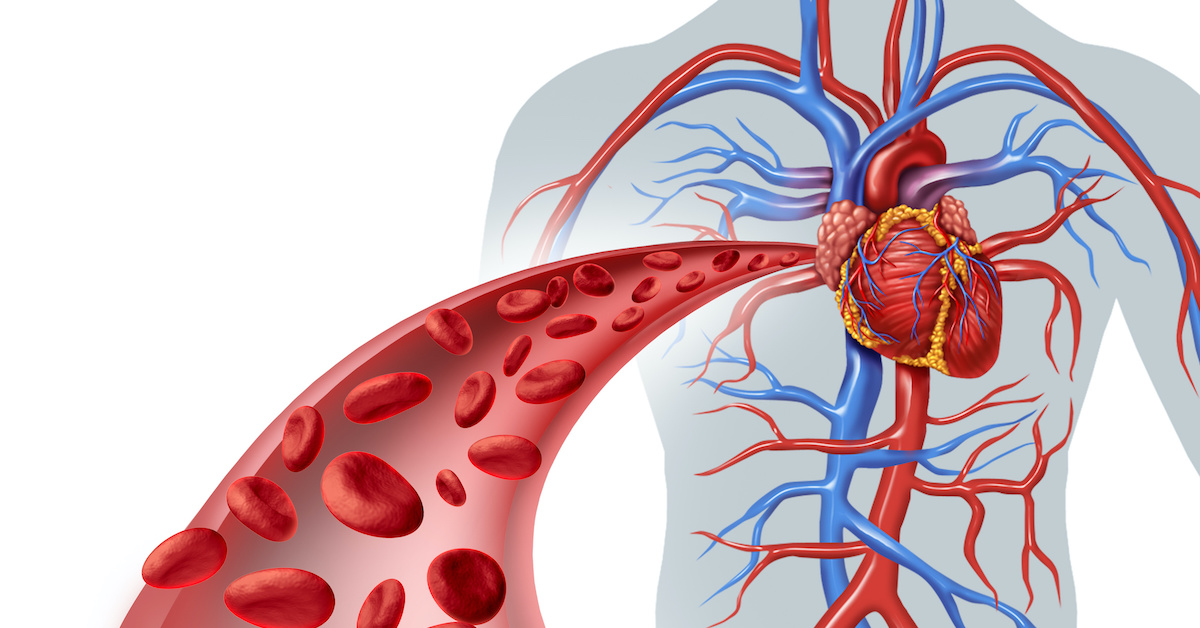
The relationship between your skin and your vascular system is far more intimate than most people realize. Your skin is not merely a passive outer covering — it is a highly vascularized organ that depends entirely on a robust network of blood vessels to maintain its health, vitality, and appearance. When your vascular system is functioning optimally, your skin glows with health. When circulation is compromised, the skin is often the first organ to show the signs.
Understanding this connection is essential for anyone seeking to improve their skin health, manage vascular conditions, or simply maintain a youthful, vibrant complexion as they age. In this comprehensive guide, we explore the science behind skin vascular health, the warning signs of poor circulation, and evidence-based strategies for improving blood flow to the skin and throughout the body.
Key Insight: Research published in the Journal of Investigative Dermatology confirms that cutaneous blood flow plays a critical role in thermoregulation, immune response, wound healing, and the delivery of essential nutrients to skin cells. Impaired skin circulation is associated with premature aging, chronic wounds, and a range of dermatological conditions.
The Skin-Vascular Connection: What Science Tells Us
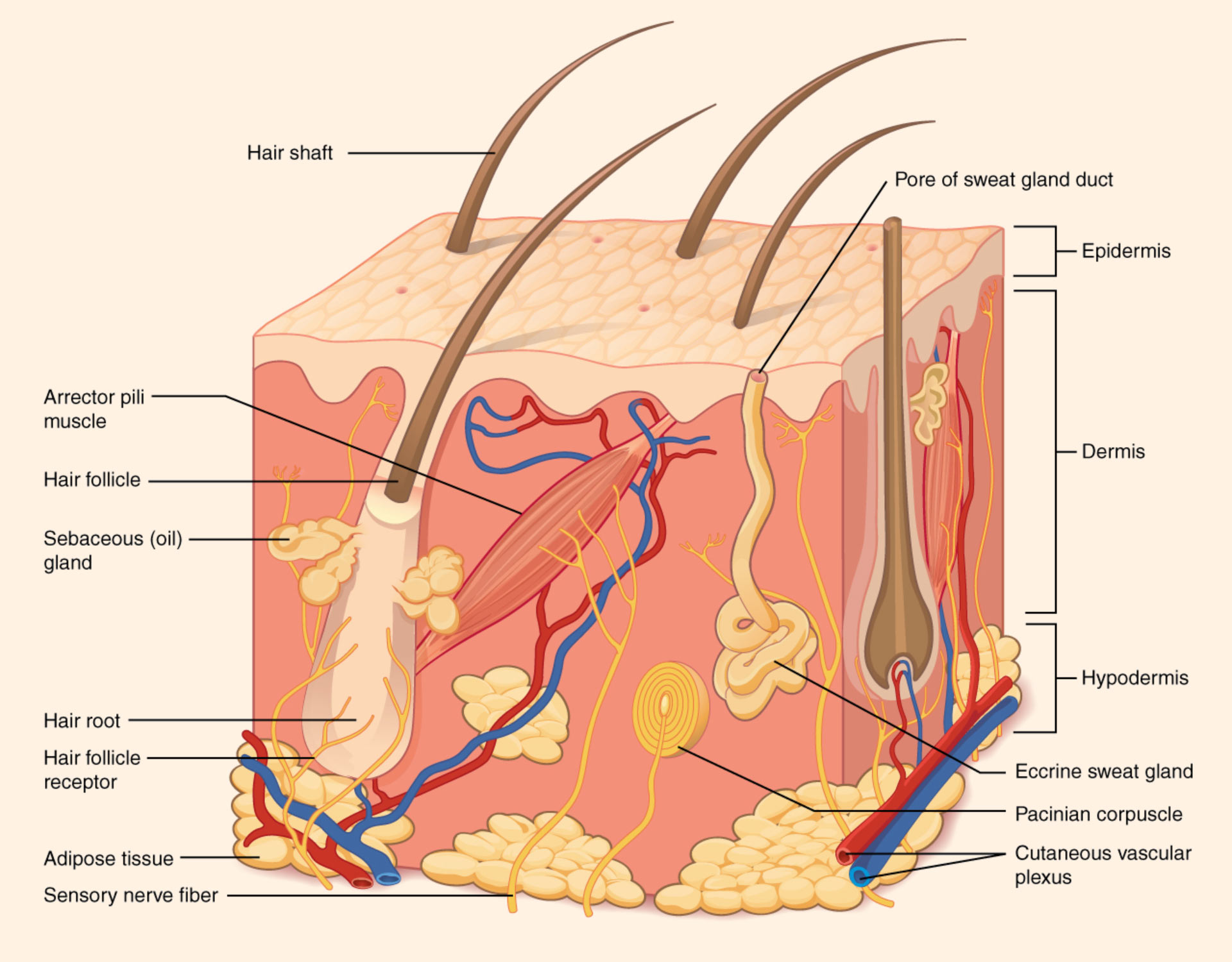
The intricate network of blood vessels within the dermis is essential for skin health and function.
The skin contains an extraordinarily complex network of blood vessels, including arterioles, capillaries, venules, and arteriovenous anastomoses, all organized into two primary plexuses within the dermis. The superficial subpapillary plexus lies just beneath the epidermis and is responsible for delivering oxygen and nutrients directly to the skin's outer layers. The deeper reticular plexus supplies the hair follicles, sweat glands, and deeper dermal structures.
This vascular network serves multiple critical functions beyond simple nutrient delivery. It plays a central role in thermoregulation — the skin's ability to regulate body temperature by dilating or constricting blood vessels in response to environmental conditions. It also supports immune surveillance, enabling white blood cells to patrol the skin and respond rapidly to infection or injury. Additionally, adequate skin perfusion is essential for wound healing, as the repair process requires a continuous supply of oxygen, growth factors, and immune cells.
When vascular health declines — whether due to atherosclerosis, diabetes, peripheral arterial disease, or simple lifestyle factors such as sedentary behavior and poor diet — the consequences for the skin can be profound and wide-ranging. Poor circulation deprives skin cells of the oxygen and nutrients they need to function and regenerate, leading to a cascade of changes that affect both the appearance and the health of the skin.
Warning Signs of Poor Skin Circulation
Recognizing the signs of impaired skin circulation is the first step toward addressing the underlying vascular issues. The skin provides numerous visible clues about the state of the circulatory system, many of which are often overlooked or attributed to other causes. Being aware of these warning signs can prompt timely medical evaluation and intervention, potentially preventing serious complications.
One of the most common and visible signs of poor circulation is a persistent pallor or grayish discoloration of the skin, particularly in the extremities. When blood flow is reduced, the skin loses its natural rosy hue and may appear washed out or ashen. In more severe cases, the skin may take on a bluish or purplish tint — a condition known as cyanosis — indicating critically low oxygen levels in the superficial blood vessels.
Other telltale signs include:
- Cold, numb, or tingling extremities — particularly in the hands and feet, even in warm environments
- Slow-healing wounds or ulcers — especially on the lower legs and feet, where circulation is most vulnerable
- Dry, flaky, or thinning skin — resulting from reduced delivery of moisture and nutrients to skin cells
- Visible varicose or spider veins — indicating venous insufficiency and impaired blood return to the heart
- Swelling in the legs and ankles — caused by fluid accumulation when venous pressure is elevated
- Hair loss on the legs — a sign that hair follicles are not receiving adequate blood supply
- Shiny, tight skin on the lower extremities — often a sign of chronic venous insufficiency
5 Evidence-Based Ways to Improve Skin Vascular Health

A diet rich in antioxidants, omega-3 fatty acids, and essential vitamins supports both vascular and skin health.
The good news is that vascular health — and by extension, skin health — is highly responsive to lifestyle modification. A growing body of scientific evidence demonstrates that targeted changes in diet, physical activity, and daily habits can significantly improve circulation, reduce vascular inflammation, and enhance the appearance and resilience of the skin. Below are five of the most well-supported strategies for improving skin vascular health.
Adopt a Heart-Healthy Diet
A diet rich in antioxidants, omega-3 fatty acids, and anti-inflammatory foods supports endothelial function and reduces oxidative stress in blood vessel walls. Prioritize colorful fruits and vegetables, fatty fish, nuts, seeds, and whole grains. Minimize processed foods, refined sugars, and trans fats, which promote inflammation and accelerate vascular aging.
Exercise Regularly
Aerobic exercise is one of the most powerful tools for improving vascular health. Regular physical activity stimulates the production of nitric oxide, a molecule that promotes vasodilation and improves blood flow throughout the body, including to the skin. Aim for at least 150 minutes of moderate-intensity aerobic exercise per week, supplemented by strength training twice weekly.
Stay Optimally Hydrated
Adequate hydration is essential for maintaining healthy blood viscosity and ensuring efficient circulation. Dehydration thickens the blood, making it harder for the heart to pump and reducing perfusion to peripheral tissues, including the skin. Aim to drink at least eight glasses of water daily, and increase intake during exercise, hot weather, or illness.
Quit Smoking Completely
Smoking is one of the most devastating habits for vascular health. The chemicals in tobacco smoke damage the endothelial lining of blood vessels, promote atherosclerosis, reduce nitric oxide production, and cause vasoconstriction — all of which dramatically impair skin circulation. Quitting smoking is associated with measurable improvements in skin perfusion within weeks of cessation.
Manage Stress Effectively
Chronic psychological stress triggers the release of cortisol and adrenaline, hormones that cause vasoconstriction and elevate blood pressure. Over time, chronic stress contributes to vascular inflammation and endothelial dysfunction. Incorporating stress management practices such as mindfulness meditation, yoga, deep breathing exercises, and adequate sleep can significantly improve vascular health and skin appearance.
Monitor & Control Risk Factors
High blood pressure, elevated cholesterol, and uncontrolled blood sugar are among the most significant risk factors for vascular disease and impaired skin circulation. Regular monitoring of these parameters, combined with appropriate medical management and lifestyle modification, is essential for preserving long-term vascular and skin health. Work closely with your healthcare provider to establish and maintain optimal targets.
Medical Treatments for Skin Vascular Conditions
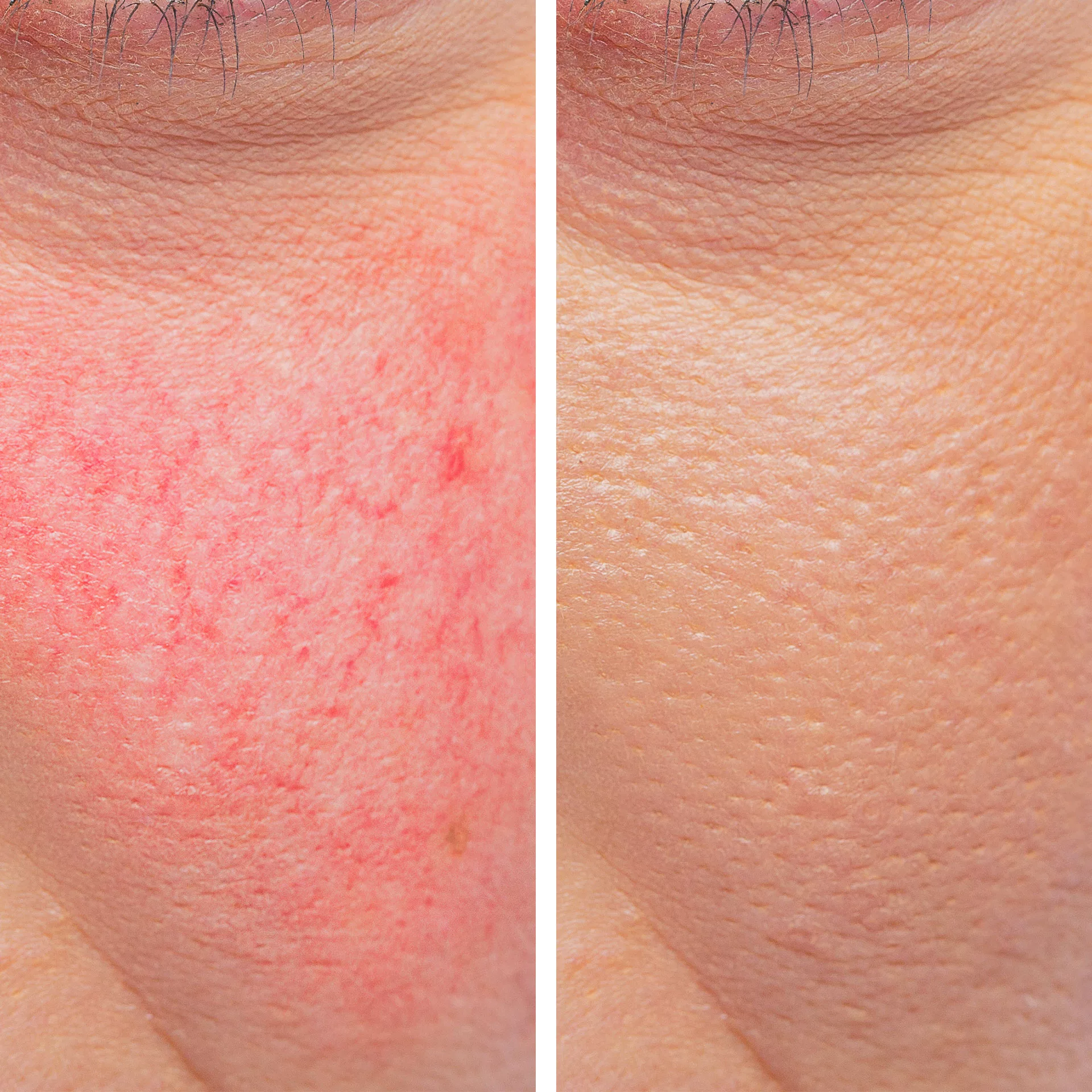
Spider veins and varicose veins are among the most common vascular skin conditions, with several effective treatment options available.
When lifestyle modifications are insufficient to address vascular skin conditions, a range of medical and cosmetic treatments are available. The appropriate treatment depends on the specific condition, its severity, the patient's overall health, and their aesthetic goals. A thorough evaluation by a vascular specialist or dermatologist is essential before embarking on any treatment plan.
Sclerotherapy
Sclerotherapy is the gold-standard treatment for spider veins and small varicose veins. The procedure involves injecting a sclerosing solution directly into the affected vessels, causing them to collapse and gradually fade from view. Multiple sessions may be required for optimal results, and the procedure is typically well-tolerated with minimal downtime. Compression stockings are usually recommended following treatment to support healing and improve outcomes.
Laser and Light-Based Therapies
Laser treatments, including pulsed dye laser (PDL) and intense pulsed light (IPL) therapy, are highly effective for treating superficial vascular lesions such as spider veins, rosacea, port-wine stains, and telangiectasias. These technologies deliver targeted energy to the hemoglobin in blood vessels, causing them to coagulate and be reabsorbed by the body without damaging the surrounding skin. Laser therapy is particularly well-suited for facial vascular lesions where precision is paramount.
Endovenous Ablation
For larger varicose veins and venous insufficiency, endovenous ablation techniques — including radiofrequency ablation (RFA) and endovenous laser treatment (EVLT) — offer a minimally invasive alternative to traditional surgical vein stripping. These procedures use heat energy delivered through a thin catheter to close the diseased vein from within, redirecting blood flow to healthier vessels. Recovery is typically rapid, with most patients returning to normal activities within one to two days.
Topical Treatments and Skincare
A targeted skincare regimen can complement medical treatments and help maintain skin health in the context of vascular conditions. Topical retinoids promote skin cell turnover and collagen synthesis, improving skin texture and resilience. Vitamin C serums provide antioxidant protection and support collagen production. Niacinamide strengthens the skin barrier and reduces redness associated with vascular conditions. Broad-spectrum sunscreen is essential for all patients with vascular skin conditions, as UV exposure exacerbates vascular damage and accelerates skin aging.
Nutrition for Vascular Skin Health
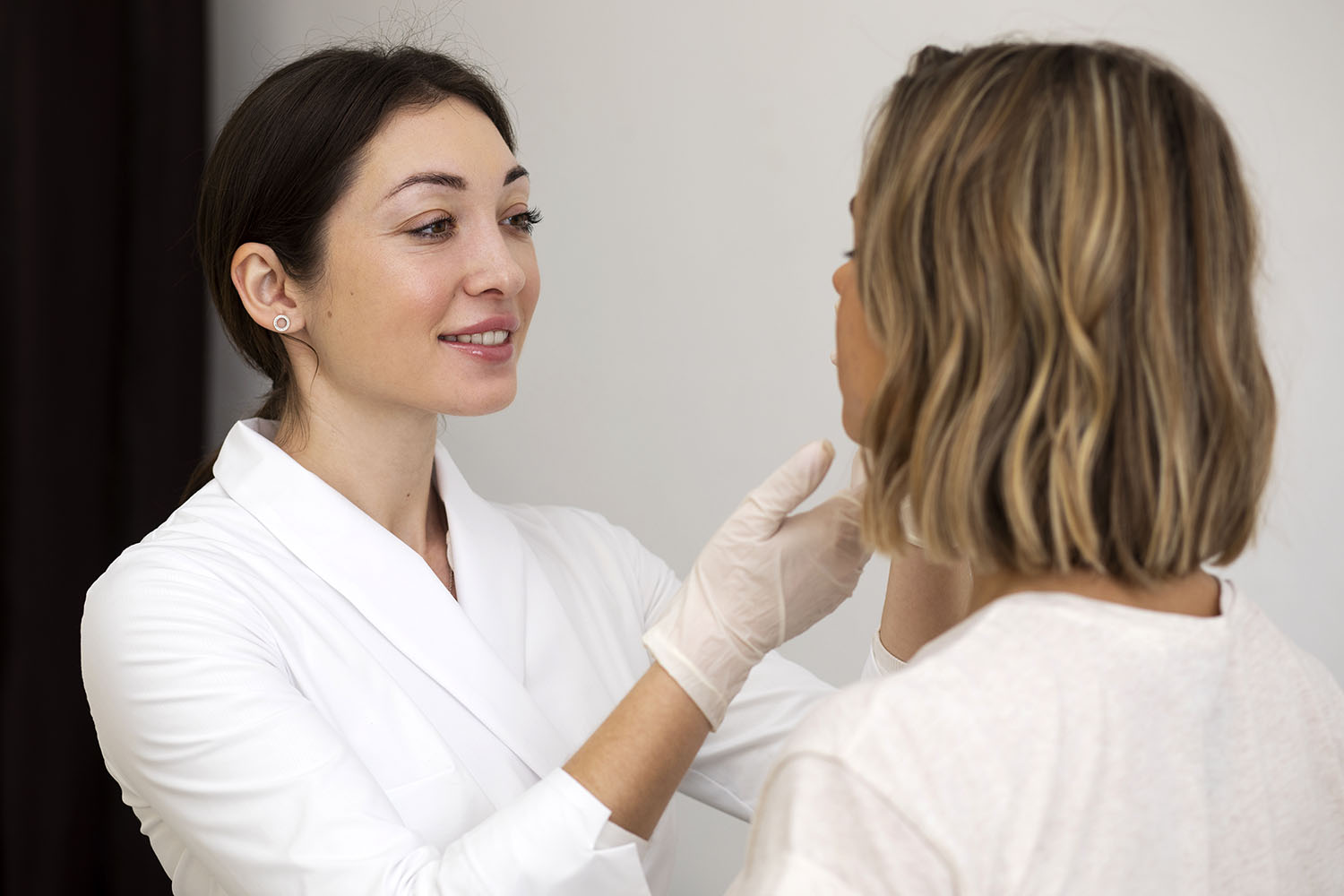
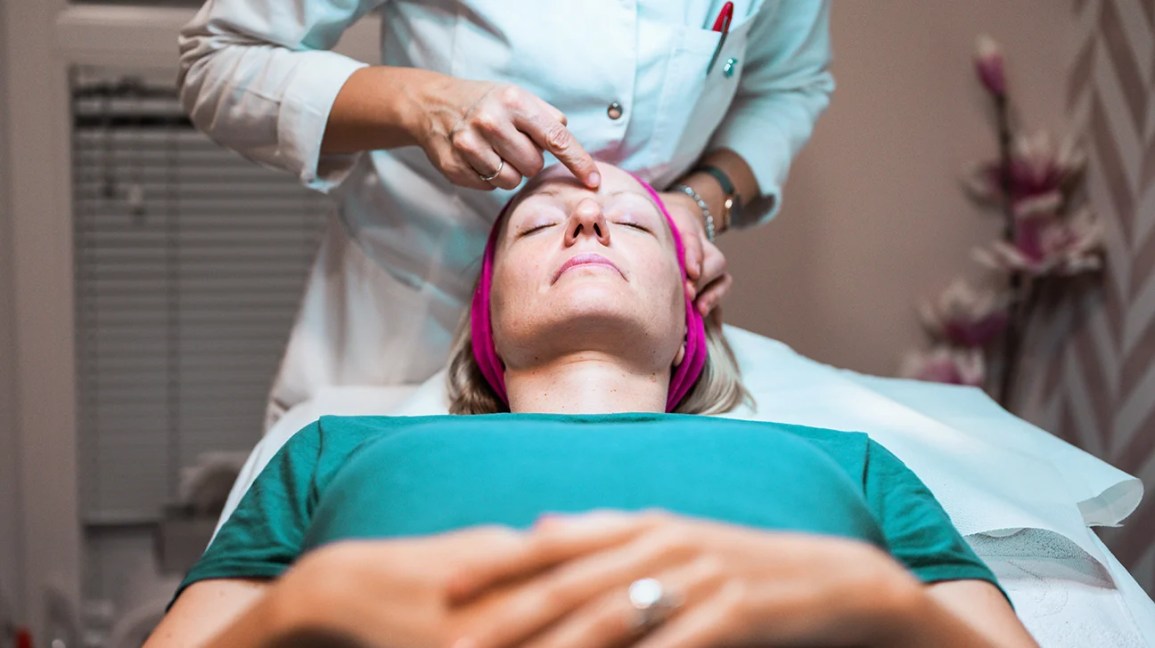
A comprehensive dermatology consultation can help identify vascular skin conditions and develop a personalized treatment plan.
The role of nutrition in vascular and skin health cannot be overstated. The foods we consume provide the raw materials that the body uses to build and maintain blood vessel walls, produce collagen and elastin in the skin, regulate inflammation, and protect against oxidative damage. A nutrient-dense diet is one of the most powerful and accessible tools available for supporting both vascular and skin health.
Key nutrients that have been shown to support vascular and skin health include:
- Vitamin C: Essential for collagen synthesis and a potent antioxidant that protects blood vessel walls from oxidative damage. Found abundantly in citrus fruits, bell peppers, strawberries, and broccoli.
- Omega-3 Fatty Acids: Reduce vascular inflammation, improve endothelial function, and support the skin's lipid barrier. Found in fatty fish (salmon, mackerel, sardines), flaxseeds, chia seeds, and walnuts.
- Flavonoids: A class of polyphenol antioxidants found in berries, dark chocolate, green tea, and citrus fruits that have been shown to improve endothelial function and reduce blood pressure.
- Vitamin E: A fat-soluble antioxidant that protects cell membranes from oxidative damage and supports skin barrier function. Found in nuts, seeds, vegetable oils, and leafy green vegetables.
- Magnesium: Supports healthy blood pressure regulation and vascular tone. Found in leafy greens, legumes, nuts, seeds, and whole grains.
- Zinc: Essential for wound healing, immune function, and the maintenance of skin integrity. Found in oysters, red meat, poultry, beans, nuts, and whole grains.
The Role of Sleep in Skin Vascular Health
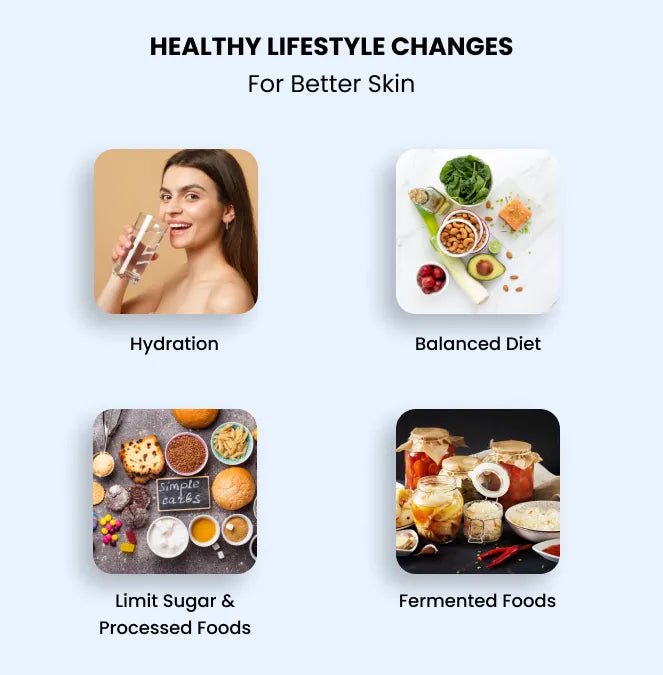
Lifestyle factors including sleep quality, stress management, and physical activity profoundly influence skin vascular health.
Sleep is often overlooked as a factor in skin and vascular health, yet the evidence for its importance is compelling. During sleep, the body undergoes extensive repair and regeneration processes that are critical for maintaining healthy blood vessels and skin. Growth hormone, which is released primarily during deep sleep, stimulates the production of collagen and elastin, repairs damaged blood vessel walls, and promotes the regeneration of skin cells.
Chronic sleep deprivation, on the other hand, is associated with elevated cortisol levels, increased systemic inflammation, impaired endothelial function, and accelerated skin aging. Studies have shown that poor sleepers exhibit significantly more signs of skin aging — including fine lines, uneven pigmentation, and reduced skin elasticity — compared to good sleepers of the same age. Prioritizing seven to nine hours of quality sleep per night is therefore an essential component of any comprehensive skin vascular health strategy.
Establishing a consistent sleep schedule, creating a cool and dark sleeping environment, limiting screen time before bed, and avoiding caffeine and alcohol in the evening are all evidence-based strategies for improving sleep quality. For patients with sleep disorders such as sleep apnea — which is strongly associated with cardiovascular and vascular disease — appropriate medical evaluation and treatment are essential.
Remember: The skin is a window into your vascular health. Changes in skin color, texture, temperature, or healing capacity may signal underlying vascular issues that warrant medical attention. Regular skin and vascular health check-ups are an important part of preventive healthcare for adults of all ages. If you notice any concerning changes in your skin, consult a qualified dermatologist or vascular specialist promptly.